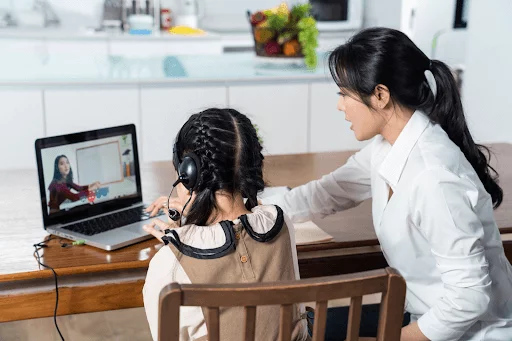
Sarah, a working mother of two, used to miss every parent-teacher conference due to her inflexible work schedule. She felt disconnected from her children’s education, relying on second-hand reports and generic report cards. Then her children’s school implemented School management software with a parent portal and mobile app. Suddenly, Sarah could check grades in real-time, message teachers directly, receive instant attendance notifications, and participate in virtual conferences during her lunch break. Her engagement skyrocketed, and so did her children’s academic performance.
Technology is transforming the parent-teacher partnership from occasional, formal interactions to continuous, collaborative relationships that significantly benefit student success.
The Problem: Communication Gaps Undermine Student Success
The traditional parent-teacher relationship suffered from fundamental limitations. Communication happened sporadically—scheduled conferences twice yearly, occasional phone calls about problems, and generic progress reports that revealed little about day-to-day learning.
This communication vacuum created serious consequences. Parents felt excluded from their children’s educational journey, only hearing from schools when problems reached crisis levels. Teachers lacked insight into home environments, family challenges, or parental concerns until situations escalated. Important information got lost in backpack notes that never reached home or phone messages that went unreturned.
Research consistently shows that parental engagement directly impacts student achievement, yet traditional communication structures made meaningful collaboration nearly impossible for busy families and overwhelmed teachers managing hundreds of students.
The Solution: Technology-Enabled Partnership
Modern communication platforms transform parent-teacher collaboration from reactive problem-solving to proactive partnership in student development.
Real-Time Academic Visibility
Parent portals provide instant access to grades, assignment submissions, assessment results, and teacher feedback. Rather than discovering a struggling student six weeks into a semester when report cards arrive, parents see concerning trends immediately and can address issues before they compound.
This transparency eliminates the “surprise failing grade” scenario that damages trust and limits intervention opportunities. Parents become true partners in academic monitoring rather than distant observers receiving periodic updates.
Instant Communication Channels
Modern platforms enable direct messaging between parents and teachers, eliminating phone tag and lengthy email chains. Teachers can send quick updates about outstanding work, upcoming assessments, or positive achievements. Parents can ask clarifying questions about assignments or alert teachers to circumstances affecting student performance.
These micro-communications build relationships and shared understanding that is impossible through formal conferences alone. Teachers gain valuable context about students’ lives outside school. Parents feel heard and involved.
Automated Attendance Notifications
When schools implement Biometric Attendance System technology integrated with parent communication apps, families receive instant notifications when children arrive at or leave school. This seemingly simple feature provides parents with peace of mind while creating accountability for students.
Patterns of tardiness or absence become immediately visible, enabling earlier intervention for attendance problems that often predict academic struggles. Parents can address transportation issues, health concerns, or social challenges before attendance gaps become habitual.
Behavior and Participation Tracking
Digital platforms enable teachers to record and share behavioral observations, participation notes, and social-emotional development insights. Parents see the complete picture of their child’s school experience—not just academic performance but classroom engagement, peer interactions, and personal growth.
This comprehensive visibility helps parents reinforce positive behaviors at home and address concerning patterns early through consistent school-home messaging.
Virtual Conferencing Options
Video conferencing eliminates the logistical barriers that prevented many parents from attending conferences. Working parents, those with transportation challenges, or families with multiple children at different schools can now participate meaningfully without taking time off work or arranging childcare.
Teachers can schedule shorter, more frequent check-ins rather than relying solely on semi-annual marathon conference days. This flexibility increases participation dramatically.
Collaborative Goal-Setting
Digital platforms facilitate shared goal-setting between parents, teachers, and students. Everyone can access the same progress data, track goals collaboratively, and celebrate achievements together. This aligned approach ensures consistency in expectations and support across home and school environments.
Translation and Accessibility Features
Modern communication tools often include translation capabilities, making them accessible to non-English-speaking families who were previously excluded from meaningful engagement. Voice messaging, video content, and visual progress displays serve families with varying literacy levels.
Measuring Impact
Schools implementing comprehensive parent communication technology report significant improvements in engagement metrics. Parent portal usage rates often exceed 85% compared to barely 20% attendance at traditional conferences. Teacher-parent message volume increases while phone calls decrease—indicating preference for convenient digital communication.
More importantly, schools observe concrete academic improvements. Students whose parents actively use communication platforms typically show better attendance, higher homework completion rates, and improved grades compared to peers whose families remain less engaged.
Conclusion
Technology hasn’t replaced the human connection at the heart of parent-teacher collaboration—it’s amplified it. By removing logistical barriers and creating continuous communication channels, digital tools enable the kind of partnership that drives student success.
The schools seeing the strongest results recognize that implementing technology is only the beginning. They actively promote platform adoption, train parents on available features, and cultivate cultures that value family engagement as essential to their educational mission.
In an era when both parents and teachers feel overwhelmed by competing demands, technology provides the bridge that makes meaningful collaboration not just possible but practical, sustainable, and genuinely impactful for student achievement.
About the Author