Eels Fish
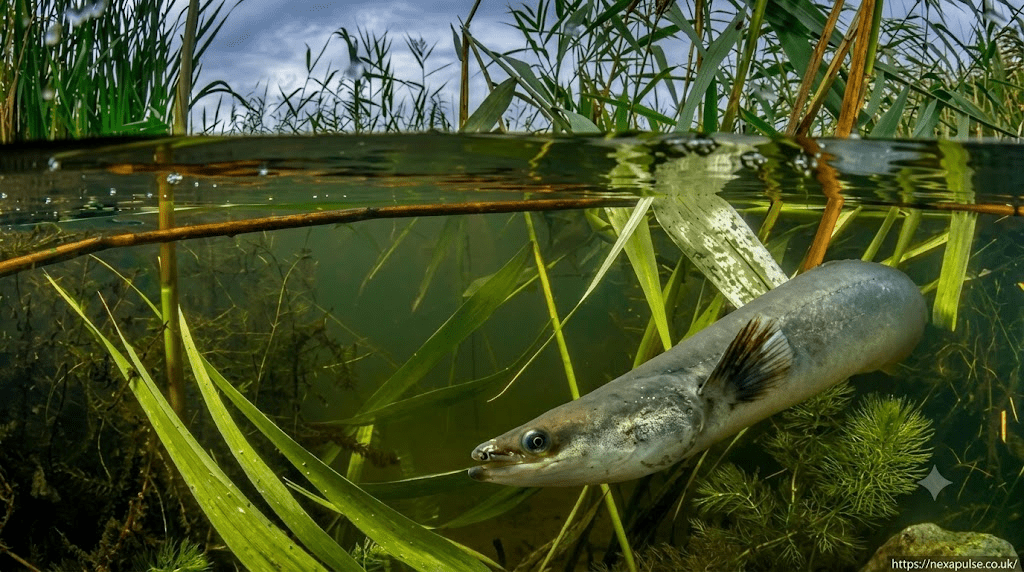
When you see an eel, your first thought might be, “Is that a snake?” It’s a fair question. With their long, slender bodies and smooth, slippery skin, eels look a lot like reptiles. You might wonder if they are a type of amphibian or even a strange worm! The confusion is common, but the simple answer is a definite yes. An eels fish is a real, true fish. They are not reptiles at all.
These creatures are fascinating. They belong to a special group of fish that have adapted to a life of slithering and swimming. Their shape is a perfect example of how animals evolve to thrive in their homes in the water. This article is your complete guide to understanding everything about eels. We will explore what makes them fish, how they live, and why they are so unique. Get ready to dive deep into the world of eels and clear up all the myths.
Table of Contents
What Exactly is an Eel?
To understand the eel, we must first look at its place in the animal kingdom. An eels fish is a ray-finned fish. This means it belongs to a large group of fish called Actinopterygii. Their fins are supported by bony spines. The snake-like shape is what makes them look different from typical fish like salmon or bass . But their biology is all fish.
Eels are part of the order Anguilliformes. This is a big group with over 800 different species. They live all over the world, in both saltwater and freshwater. The amazing thing is that even freshwater eels go to the sea to breed. This is a key part of their life cycle and a strong clue that they are true fish. They are not just fish that look like snakes; they are a specific type of fish that has evolved an incredible body plan.
Eels Fish vs. Snakes: Key Differences
It is easy to mistake an eel for a snake. But if you look closer, you will see they are very different. This similarity in shape is a case of “convergent evolution.” This means two animals that are not related evolve similar traits to survive in similar environments . For example, both need a long, flexible body to move through water or tight spaces. But their biology is completely different.
Here are the key differences:
- Gills: Eels have gills to breathe underwater. Snakes have lungs to breathe air .
- Fins: Eels have fins, even if they are small. Snakes have no fins at all .
- Scales: Most eels have tiny, embedded scales. Snakes have scales that they shed .
When you hold an eel, it is slimy. But that slime is a fishy mucus. This slippery coating protects them from disease and helps them slide through the water . This slime is a fish trait, not a reptile one. It is just one more piece of evidence that proves the eels fish is a true fish.
The Anatomy of a Snakelike Swimmer
The body of an eel is built for a specific way of life. They are elongated fish, which simply means they are long and thin. They range in size a lot. The smallest eels are tiny, while the biggest can be 13 feet long . The Slender Giant Moray is a good example of a very long eel.
A key feature of true eels is their fins. They do not have pelvic fins. In many species, the dorsal and anal fins merge with the tail fin. This creates one long, continuous fin that runs along the back and belly. This fin helps them swim with powerful, wavy motions. They can even swim backward by reversing the wave movement . This unique anatomy is what classifies the eels fish as a special kind of fish, perfectly adapted for their hunting style.
The Incredible Life Cycle of Freshwater Eels
The life story of an eels fish is one of the most amazing journeys in nature. It is a true adventure story. Freshwater eels begin their lives in the ocean. They hatch as tiny, leaf-shaped larvae called leptocephali. For a long time, people thought these larvae were a different kind of fish entirely! .
These leaf-like babies drift in the ocean currents. They eat tiny bits of organic matter called “marine snow” . After a while, they change into “glass eels.” They are now transparent, like little glass noodles. When they reach the coast, they swim into rivers and streams as “elvers.” This is when they start to get color. They live in freshwater for many years, growing into adults. Finally, when they are ready to breed, they swim back to the ocean. They travel thousands of miles, spawn, and then die .
From Leaf to Eel: Metamorphosis
The transformation of an eel is fascinating. The baby eels look nothing like the adults. This change is called metamorphosis. It is a huge physical change. They go from a flat, leaf-like larva to a round, transparent “glass eel.” This is all in preparation for their life in freshwater .
When they become elvers, they start to get their color and look like miniature adult eels. These young eels are amazing climbers. They can wriggle up wet walls, like those of dams, to get into rivers . As they grow, they turn into “yellow eels.” This is their adult phase, and it can last for many years. Before they migrate back to the sea to breed, they change again. They become “silver eels.” Their bellies turn white, their eyes get bigger, and they stop eating. All their energy goes into the incredible journey ahead .
Types of Eels Fish: A Diverse Group
When we think of an eel, we might just picture a brown, snake-like fish. But the eels fish world is incredibly diverse. There are about 800 species of true eels, and they come in many shapes and colors. They can be found in all sorts of watery habitats.
Here are some of the most well-known types:
- Moray Eels: These are famous for their colorful patterns and sharp teeth. They are often found hiding in coral reefs.
- Conger Eels: These are large, powerful eels that live in the ocean. The European conger is one of the heaviest true eels .
- Garden Eels: These are small, thin eels that live in colonies on the seafloor. They stick their heads out of the sand like plants in a garden .
- Freshwater Eels: This group includes the American and European eels. They are catadromous, meaning they live in freshwater and breed at sea .
This variety shows that eels have adapted to almost every kind of water environment. Each type has a unique look and behavior. But they all share the basic traits of being true fish.
The Electric Eel: A Fishy Misconception
One of the biggest misunderstandings about eels involves the electric eel. Many people call it an eel. But in reality, it is not a true eel at all! The electric eel belongs to a different group of fish called knifefish. They are actually more closely related to catfish than to true eels .
So, why the confusion? It is because of their shape. Electric eels also have long, snake-like bodies. They look a bit like the eels fish we have been discussing. However, their biology is very different. They are not part of the Anguilliformes order. This is a great example of how the name “eel” can be misleading. It shows why it is so important to learn about the specific traits of true eels. Electric eels have special organs that produce electricity for hunting and defense. They are unique animals, but they are not true eels .
Where Do Eels Live? Habitats and Behavior
Eels are found in a huge range of habitats. Most eels live in the shallow waters of the ocean. They like to hide in the sand, mud, or in holes in rocks and coral reefs . Some eels live in deep water. They can be found on the continental shelf and even down to depths of 13,000 feet (4,000 meters) .
A majority of eel species are nocturnal. This means they are most active at night. During the day, they hide away. They are rarely seen by humans in the wild. Sometimes, you can find them living together in holes. These are called “eel pits” . Only the eels in the Anguilla family regularly live in fresh water. But even these freshwater eels are born in the sea. They must return to the ocean to spawn . This connection to the sea is a defining feature of all true eels.
The Sargasso Sea: A Mysterious Nursery
The Sargasso Sea is a special place in the Atlantic Ocean. It is famous for being the breeding ground for both American and European eels. This sea is known for its calm water and floating seaweed. It is a unique ecosystem. Mature eels from North America and Europe travel thousands of miles to reach this area. They go there to spawn and then die .
Female American eels lay up to 20 million eggs in this one area . The eggs hatch into tiny, leaf-like larvae. These larvae are then carried by the ocean currents. The Gulf Stream helps carry them to the coasts of North America and Europe. This journey takes a long time. Once they reach the coast, they enter the rivers and streams. The Sargasso Sea is a key part of the eel life cycle. It is proof of how important the ocean is for these fish .
Eels as a Culinary Delicacy
Eels fish are a prized food in many cultures around the world. In Japan, freshwater eel, known as unagi, is a famous and popular dish. It is often grilled and served over rice. This dish is called unadon. It is a delicious treat, though it can be expensive . Marine eels, called anago, are also used in Japanese cuisine.
In Europe, eels are also a traditional food. Jellied eels are a famous East London dish. Smoked eel is a delicacy in northern Germany, the Netherlands, and Scandinavia . In Spain, baby eels, called angulas, are a very expensive delicacy. They are sautéed in olive oil with garlic . This global popularity shows how highly we value this unique fish. However, it is important to remember that some eel populations are under threat from overfishing.
Are Eels Dangerous to Humans?
Many people are afraid of eels. Their snake-like appearance and sharp teeth can be scary. But do they pose a real danger to humans? The short answer is no. Eels are not aggressive animals. They are not looking to attack humans. Most eel species are shy and will hide from us. There are very few reports of eels attacking people .
One important thing to know is that eel blood is toxic to humans . It contains a protein that is poisonous. However, this toxin is destroyed by cooking. It is also broken down by our digestive system. So, you do not need to worry about eating properly cooked eel. It is a safe and delicious food. In general, eels are more scared of us than we are of them. They prefer to stay hidden and out of sight.
Eels Fish in the Ecosystem
Eels play a vital role in the health of our ecosystems. As adults, they are important predators. They help keep populations of other animals in balance. They eat a wide variety of food, including fish, insects, worms, and crustaceans . This makes them a key part of the food web. They also serve as prey for larger animals, like birds and bigger fish.
Freshwater eels are especially important for their ecosystems. In places like New Zealand, longfin eels are the top native freshwater predators . They have no natural enemies when they are adults. This makes them a “keystone species.” This means they have a big impact on their environment. When eel populations drop, the whole ecosystem can be affected. That is why it is so important to protect them.
Conservation Concerns and the Future of Eels
The future of the eels fish is uncertain. Many eel populations are in serious decline. The European eel, for example, is now considered critically endangered . There are several reasons for this drop in numbers. Pollution is a big problem. It contaminates the water where they live. Overfishing is another major threat. Too many eels are being caught for food . Dams built on rivers block their migration paths. This makes it very hard for them to reach their breeding grounds .
Another major threat is the swimbladder parasite. This foreign invader infects eels and stops them from swimming properly . This makes it very hard for them to make their long journey back to the sea to breed. Efforts are underway to help eels. Fish ladders are being built to help them get past dams. Scientists are studying their populations to find ways to protect them. We all need to be aware of the problems they face and work to help them.
Fun Facts About These Elusive Fish
Here are some fascinating facts about eels. They are truly amazing animals.
- They can breathe on land: Eels can absorb oxygen through their moist skin. This allows them to slither across wet grass to move between bodies of water .
- They are “reverse metamorphs”: If a migrating eel gets blocked by a dam, it can stop its transformation into a silver eel and regenerate its gut. It is a remarkable survival strategy .
- New Zealand’s longfin eel is a record holder: This species is one of the world’s biggest eels. It can grow to nearly 6 feet long and weigh over 50 pounds .
- They are a living mystery: We have never actually observed freshwater eels spawning in the wild. Their breeding grounds are still partly a mystery!
These facts show just how interesting and resilient eels are.
Conclusion
So, is an eels fish a fish or a snake? The answer is clear. They are definitely fish. They are ray-finned fish that have evolved a very successful, snakelike body. They belong to the order Anguilliformes. While they may look like reptiles, their gills, fins, and bones prove they are true fish . Their life cycle is one of the most incredible in the animal kingdom. They travel from the ocean to freshwater and back again.
These creatures are not just fascinating; they are also important. They are valuable food sources and vital parts of our ecosystem. But they face serious threats today. Understanding the truth about eels is the first step to protecting them. By learning about these snakelike swimmers, we can appreciate them for the unique and wonderful fish they truly are. Next time you see a picture of an eel, remember that you are looking at a real-life fishy marvel.
Frequently Asked Questions (FAQs)
Is an eel a fish or an amphibian?
An eels fish is definitely a fish, not an amphibian. They have gills to breathe underwater and fins for swimming. Amphibians, like frogs, have lungs and can live on land. Eels are fully aquatic.
What makes a fish an eel?
A true eels fish belongs to the order Anguilliformes. They are defined by their long, snake-like bodies. They have a continuous fin that runs along their back and belly, and they often lack pelvic fins .
Do all eels live in the ocean?
No. While most eels are marine, some live in freshwater. These are known as freshwater eels. However, even freshwater eels go to the ocean to breed. They are “catadromous” fish .
Are eels related to snakes?
No, they are not related at all. Eels fish are fish and snakes are reptiles. They have evolved similar body shapes because it helps them survive. This is called convergent evolution .
What do eels eat?
Most eels are predators. They eat smaller fish, snails, crabs, lobsters, and worms. They are nocturnal hunters and use their powerful sense of smell to find their prey .
Are eels dangerous to touch?
They are not typically aggressive, but they can bite if they feel threatened. Their skin is also covered in a slime that can be irritating. It’s best to admire them from a distance .
About the Author