can disohozid disease kill you
What is Disohozid Disease?
Disohozid disease is a complex condition characterized by the disruption of normal physiological processes within the body. This disease affects various systems, often leading to a range of symptoms that can significantly impact quality of life. Common symptoms associated with disohozid disease include fatigue, joint pain, and cognitive difficulties, among others. These symptoms can vary widely from person to person, which complicates diagnosis and management.
The underlying causes of disohozid disease remain a topic of ongoing research. can disohozid disease kill you It is believed that a combination of genetic and environmental factors may contribute to its development. Individuals with a family history of similar conditions or those exposed to specific environmental toxins may be at an increased risk. Additionally, certain demographic groups may exhibit higher prevalence rates, underscoring the importance of tailored health interventions.
Diagnosis of disohozid disease typically involves a multifaceted approach, including clinical assessments, laboratory tests, and imaging studies, to rule out other potential conditions. There is no single test that definitively diagnoses the condition, which can prolong the diagnostic process and delay necessary treatment. Moreover, because disohozid disease encompasses a spectrum of disorders, its classification remains a subject of extensive scientific inquiry.
In understanding disohozid disease,Can Disohozid Disease Kill You it is crucial to recognize the implications it has on individual lives and overall public health. With potential life-threatening complications, understanding who is most at risk can aid in early detection and prompt management. As discussions continue regarding whether disohozid disease is fatal, it is paramount to consider the multifactorial nature of this illness and the ongoing research aimed at better defining its parameters.
The Impact of Disohozid Disease on Health
Can Disohozid Disease Kill You disease poses significant risks to both physical and mental health, affecting the body in various ways. Patients suffering from this condition often experience a range of debilitating symptoms that can impact their daily lives. The most prevalent physical manifestations include fatigue, pain, and mobility issues, which can severely limit a person’s ability to perform everyday tasks. Furthermore, if left untreated, disohozid disease may result in complications such as cardiovascular problems and increased vulnerability to infections, raising the question: can disohozid disease kill you?
Recent statistics indicate that individuals with Can Disohozid Disease Kill You disease have a higher mortality rate compared to the general population. In particular, certain subtypes of the disease may lead to life-threatening complications, highlighting the critical need for early diagnosis and effective management strategies. A study revealed that patients who do not adhere to a treatment plan are at a higher risk of experiencing severe health outcomes, emphasizing the importance of medical intervention in mitigating these risks.
Moreover, the emotional and psychological Can Disohozid Disease Kill You weight borne by those living with disohozid disease cannot be overlooked. Chronic illness often leads to feelings of isolation, anxiety, and depression, compounding the physical issues at play. The constant management of symptoms can create a cyclical pattern of distress, where the mental burden exacerbates the physical challenges faced by the patient. Case studies illustrate that support systems and mental health resources are vital in improving quality of life for these individuals.
In essence, the implications of disohozid disease are multifaceted, affecting not just physical health but also emotional wellbeing. A comprehensive understanding of these factors is fundamental for both healthcare providers and patients navigating the complexities of this condition.
Can Disohozid Disease Kill You?
Disohozid disease is a condition that has Can Disohozid Disease Kill You raised significant concern regarding its potential fatal outcomes. While extensive research is ongoing, current statistical data and medical studies provide valuable insights into its mortality rates. Expert opinions have shed light on various aspects of this disease, indicating that while it can be serious, not all cases lead to fatality.
The risk of death associated with Can Disohozid Disease Kill You typically depends on several factors, including the stage of the disease at diagnosis, the age and overall health of the patient, and the promptness of medical intervention. Studies suggest that early detection and comprehensive treatment can markedly reduce the chances of adverse outcomes, including death. It is crucial to understand that many patients with disohozid disease respond well to treatment and manage to lead fulfilling lives.
Additionally, underlying health conditions can exacerbate the severity of disohozid disease. For instance, individuals with compromised immune systems or pre-existing illnesses may face higher risks. Circumstances that lead to a fatal outcome often involve complications stemming from disohozid disease rather than the disease itself. Hence, it is essential for patients to maintain regular follow-ups with healthcare practitioners to monitor their condition effectively.
In light of these findings, the question, “Can disohozid disease kill you?” does not have a straightforward answer. While there are inherent risks associated with the disease that could lead to mortality, the overall prognosis significantly improves with early diagnosis and effective management. Further research continues to clarify the patterns and risks associated with this disease, offering hope for improved survival rates in the years to come.
Prevention and Management Strategies
The management and prevention of disohozid disease require a multifaceted approach that incorporates lifestyle modifications, medical interventions, and education. Individuals diagnosed with this condition can take various steps to minimize their health risks and improve their overall well-being.
Firstly, adopting a balanced diet is crucial. Consuming foods rich in essential nutrients can help enhance the immune system and support overall health. Patients should aim for a diet high in fruits, vegetables, whole grains, and lean proteins while reducing processed foods, sugar, and saturated fats. Consulting with a nutritionist may also provide tailored dietary guidelines specific to disohozid disease management.
Exercise plays an equally vital role in the management of disohozid disease. Regular physical activity can improve cardiovascular health, boost mood, and help maintain a healthy weight. Patients should aim for at least 150 minutes of moderate-intensity aerobic exercise per week, complemented by strength training exercises. It is advisable to consult a healthcare provider before starting a new exercise regimen to tailor it to individual capabilities and needs.
In addition to lifestyle changes, ongoing medical care is paramount. Regular check-ups with healthcare professionals can help monitor the disease’s progression and adjust treatment protocols as necessary. Medications may be prescribed to manage symptoms effectively and lower the risk of complications associated with disohozid disease.
Moreover, educational resources are available for those affected. Joining support groups or participating in community programs can provide valuable information and foster connections with others facing similar challenges. Empowerment through knowledge is essential for better management of disohozid disease, allowing individuals to take proactive steps in their care.
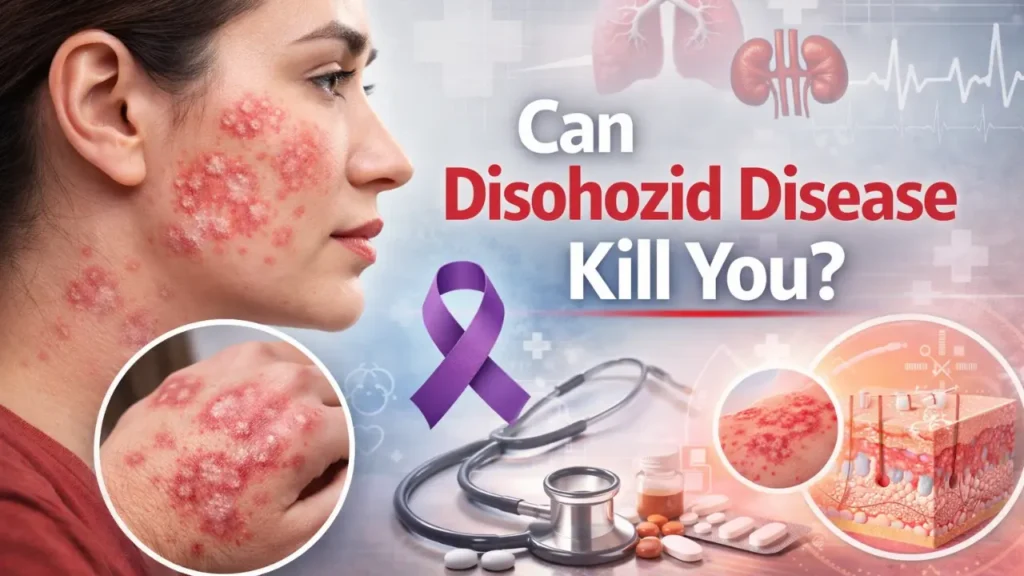
In conclusion, active participation in one’s health Can Disohozid Disease Kill You? Understanding the Risks and Implications —including diet, exercise, medical treatment, and education—can significantly influence the course of disohozid disease and improve quality of life.
About the Author