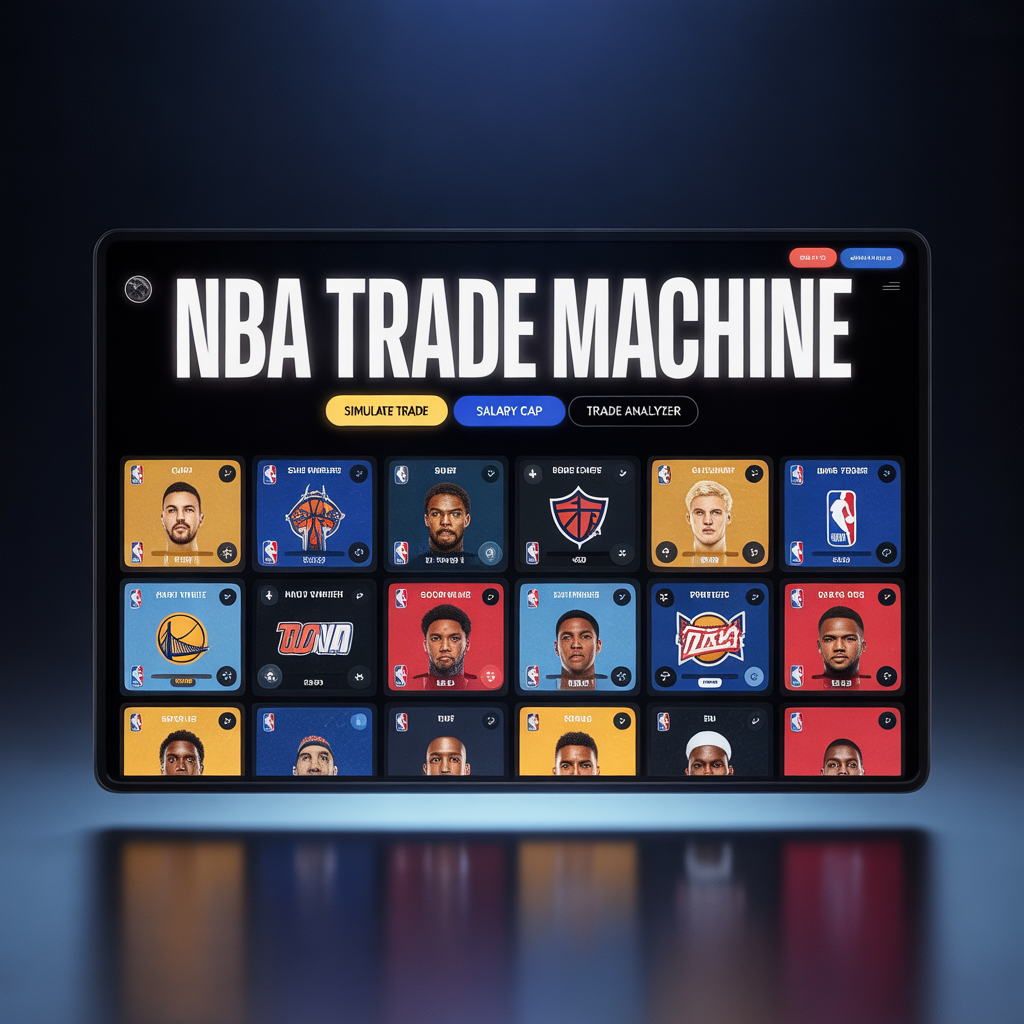
nba trade machine
Introduction: Why We’re All Secretly NBA General Managers
Let’s be honest for a second — if you’ve ever watched an NBA trade machine game and thought, “Yeah, this roster isn’t working,” you’re already halfway to using the NBA trade machine.
We’ve all been there. Sitting on the couch, NBA trade machine scrolling through stats, wondering how your favorite team could magically turn a struggling season into a championship run. And then, almost instinctively, you open the NBA trade machine, start swapping players, matching salaries, and dreaming up blockbuster deals that would make headlines.
And you know what’s interesting? It’s not just a game. The NBA trade machine has become a full-blown culture in basketball fandom. It’s where casual fans feel like executives, where debates are born, and where imagination meets league rules.
So if you’ve ever wondered how it works, why it’s so popular, or how to actually use it like a pro, you’re in the right place. Let’s break it all down — naturally, clearly, and in a way that actually makes sense.
What Is the NBA Trade Machine, Really?
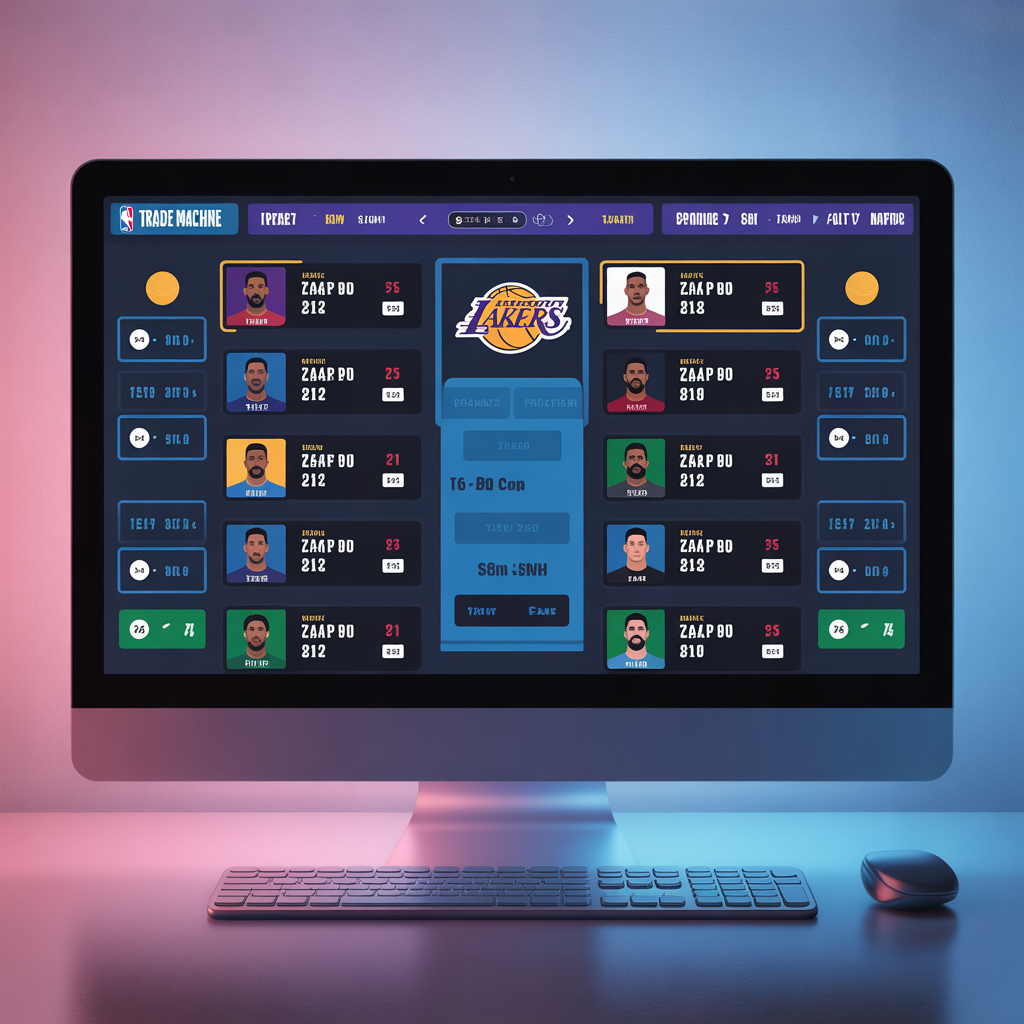
At its core, the NBA trade machine is an online simulator that lets fans create hypothetical trades between NBA teams. It checks whether those trades are financially legal under NBA salary cap rules.
But honestly? It’s so much more than that.
It’s:
- A creativity tool
- A debate starter
- A strategy simulator
- A fan’s way of feeling involved
- And sometimes, a reality check
You plug in players, adjust draft picks, and instantly see whether a trade “works.” If the salaries match and league rules are satisfied, the trade passes. If not? Back to the drawing board.
And trust me — once you start using it, it’s hard to stop.
Why the NBA Trade Machine Is So Addictive
1. It Makes You Feel Like a GM
Let’s be real. Watching front offices make questionable decisions can be frustrating. The NBA trade machine gives you control. Suddenly, you’re the one building a contender.
And honestly, it feels good.
You start thinking about:
- Salary cap space
- Player value
- Contract length
- Team chemistry
It’s not just fantasy — it’s strategy.
2. It Turns NBA News Into a Game
Trade rumors hit differently when you can test them yourself.
Instead of wondering, “Could this actually happen?” you can plug it in and find out in seconds. That alone makes the NBA trade machine insanely popular during trade season.
3. It Sparks Debates (The Fun Kind)
If you’ve ever argued with friends about a trade idea, you already know how intense those discussions can get.
The NBA trade machine adds proof to the argument.
“Well actually, the salaries don’t match.”
“Yeah, but this team gets younger.”
Suddenly, it’s not just opinions — it’s analysis.
How the NBA Trade Machine Works (In Simple Terms)
Let’s break it down without overcomplicating things.
Step 1: Select the Teams
You choose two or more NBA teams. Yes, multi-team trades are possible — and yes, they can get wild.
Step 2: Choose Players or Picks
Add players, draft picks, or both. The trade machine automatically calculates salaries.
Step 3: Check Trade Rules
This is where the magic happens. The NBA trade machine checks:
- Salary cap rules
- Luxury tax limits
- Trade exceptions
- Contract restrictions
If it works, you’ll get a green light.
If not, you’ll see exactly why.
Step 4: Adjust and Experiment
This is the fun part. You tweak, swap, remove, and add until the trade becomes legal — or until you realize how complicated NBA contracts really are.
Why Fans Love Using the NBA Trade Machine
It Makes You Smarter About Basketball
After using it for a while, you start understanding:
- Why some trades never happen
- Why expiring contracts matter
- Why rebuilding teams value draft picks so much
You begin seeing the NBA through a front-office lens.
It’s Pure Entertainment
Let’s not pretend this isn’t fun.
You can build:
- Superteams
- Rebuild projects
- Fantasy trades
- “What if” scenarios
And you can do it all without consequences.
It Keeps You Engaged Year-Round
Even during the offseason, the NBA trade machine keeps fans active. Free agency rumors? Plug them in. Draft night chaos? Simulate it. Mid-season struggles? Fix the roster.
There’s always something to tinker with.
Common Mistakes People Make Using the NBA Trade Machine
1. Ignoring Team Direction
A rebuilding team won’t trade young stars for aging veterans.
A contender won’t sacrifice depth for long-term picks.
The trade machine allows it, but real life probably won’t.
2. Forgetting About Contracts
Big mistake.
A player’s contract length, salary, and options matter just as much as talent. One bad contract can ruin an otherwise perfect trade.
3. Overvaluing Your Favorite Players
We all do it. It’s human.
But that role player you love? Other teams might not value him the same way.
4. Assuming Trades Are Only About Talent
Chemistry, locker room presence, and leadership matter too — even if the trade machine can’t measure them.
How to Use the NBA Trade Machine Like a Pro
Think Like a GM
Ask yourself:
- Does this trade solve a problem?
- Does it fit the team’s timeline?
- Does it make financial sense?
Use Realistic Trade Logic
A fair trade usually involves:
- Talent + picks
- Expiring contracts
- Salary balancing
- Mutual benefit
If one side clearly “wins,” it’s probably unrealistic.
Pay Attention to Cap Space
This is where most people slip up.
NBA trades aren’t just about skill — they’re about money. The NBA trade machine helps visualize this, but you still need to understand it.
Test Multiple Scenarios
Don’t stop at one idea. Try three or four variations. Sometimes the best trade comes from small tweaks.
Why the NBA Trade Machine Is So Popular During Trade Season
Trade deadline season turns fans into detectives.
Every rumor leads to:
- “Does this work financially?”
- “Who would need to be included?”
- “Would this team even agree?”
The NBA trade machine becomes the go-to tool for answering those questions instantly.
And let’s be honest — half the fun of trade season is imagining chaos.
NBA Trade Machine vs Real Life Trades
Here’s the truth nobody likes to admit:
The trade machine shows what’s possible.
Real life shows what’s practical.
Front offices care about:
- Team culture
- Injury history
- Player attitude
- Long-term vision
Still, the NBA trade machine gives fans a front-row seat to how complicated these decisions really are.
How the NBA Trade Machine Helps New Fans Learn the Game
If you’re new to basketball, this tool is gold.
It teaches you:
- How the salary cap works
- Why trades are complicated
- How teams are built over time
- Why some stars never get moved
It turns confusion into clarity — and that’s powerful.
The Emotional Side of Trade Machines
Let’s talk feelings for a second.
Using the NBA trade machine can be exciting… and painful.
You’ll:
- Trade your favorite player (reluctantly)
- Realize your team’s limitations
- Understand why rebuilding takes years
And yeah, it can hurt. But it also makes you appreciate smart front offices and patient planning.
Future of the NBA Trade Machine
As analytics grow and contracts become more complex, tools like the NBA trade machine will only become more important.
We’ll likely see:
- More advanced simulations
- Better salary modeling
- Fan-driven trade grading
- AI-assisted predictions
But at its heart, the NBA trade machine will always be about one thing: letting fans dream.
Conclusion: Why the NBA Trade Machine Is Here to Stay
So, what’s the big takeaway?
The NBA trade machine isn’t just a website. It’s a playground for basketball minds. It’s where creativity meets logic, where fans become GMs, and where imagination runs wild.
Whether you’re a hardcore analyst or just someone killing time during trade season, it offers something special — control, curiosity, and connection to the game we love.
And honestly? Once you start using it, you’ll never watch the NBA the same way again.
About the Author