alice glass
Alice Glass — the Voice, the Icon, the Evolution
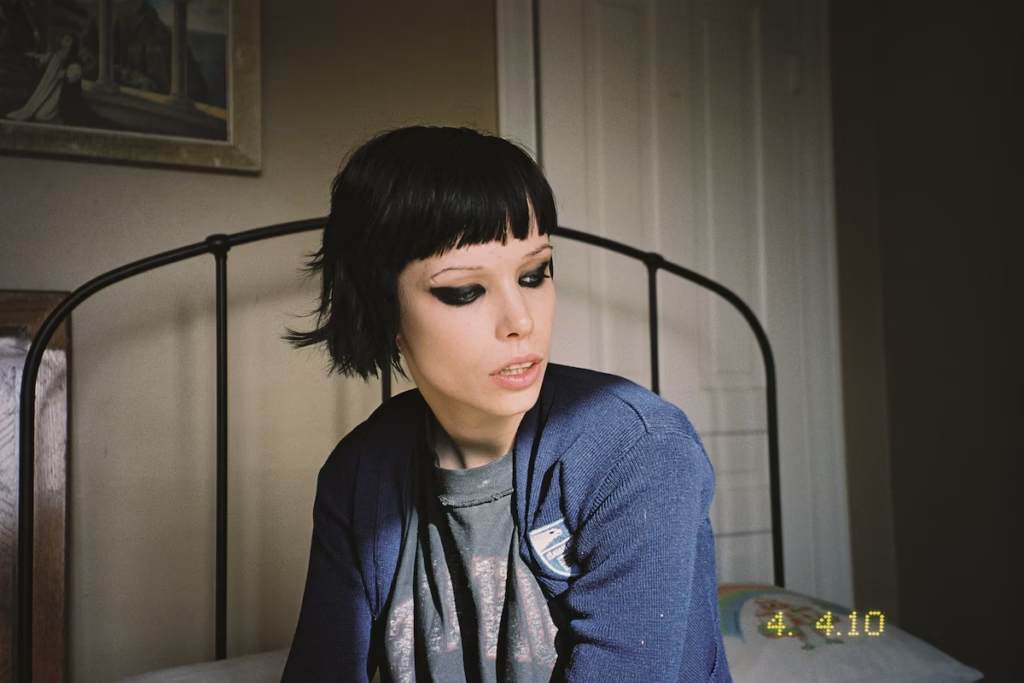
Alice Glass is one of the most distinctive voices in modern electro‑punk and electronic music. Over the years, Alice Glass has transformed from the wild frontwoman of a cult band into a solo artist whose raw intensity, uncompromising lyrics, and fierce independence continue to captivate fans around the world. In this article we dive deep into the life, career, artistry, controversies, and evolving legacy of Alice Glass — exploring what makes her an artist unlike any other.
Early Life and Musical Beginnings
Alice Glass — born Margaret Osborn on 25 August 1988, in Toronto, Ontario — grew up with a restless energy and a penchant for music. Wikipedia+1 Before achieving worldwide recognition, she was already experimenting musically and creatively: as a teenager, she performed in local punk and noise bands, building a foundation of raw, expressive performance that would later define her style. Explosion+1
Her early years immersed in the underground punk/noise scene shaped her rebellious spirit, giving her the tools to challenge musical norms and embrace a fiercely independent artistic identity.
Rise to Fame — The Crystal Castles Era
Formation and Breakthrough
In 2005–2006, Alice Glass met producer Ethan Kath. Together they formed Crystal Castles, a duo that would go on to redefine electronic music with a brutal, chaotic, and uncompromising sound. Wikipedia+2Wikipedia+2
Their early single — controversially “born” from a microphone‑check recording — caught attention and led to a record deal. Wikipedia+1
Sound, Style, and Impact
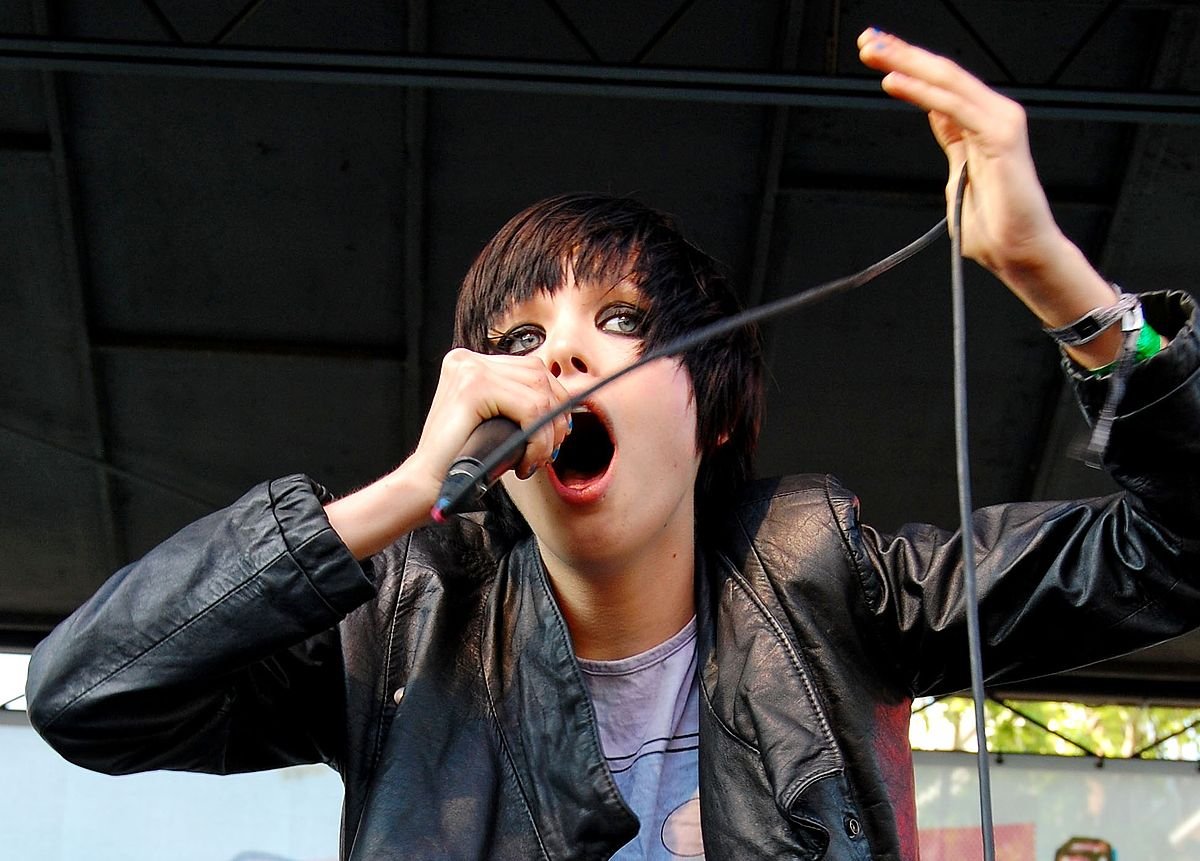
With Alice Glass on vocals, Crystal Castles brought a raw, punk‑infused energy to electronic music. Their sound was abrasive, glitchy, lo‑fi, and emotionally intense. Live shows became legendary for their chaotic intensity — Alice Glass channelled vulnerability and rage with shrieks, screams, and haunting melodies, often pushing the boundaries of performance. Wikipedia+2The Guardian+2
Between 2008 and 2012, Crystal Castles released a string of influential albums, gaining a devoted global fanbase and reshaping perceptions of what electronic music could be. Wikipedia+2Wikipedia+2
Departure from Crystal Castles — Break, Betrayal, and Rebirth
In October 2014, Alice Glass publicly announced her departure from Crystal Castles, citing “reasons both professional and personal.” The Guardian+1
The decision marked the end of an era. For many fans, the band would never be the same without her. But for Alice Glass, it was the beginning of a new chapter — one where she could reclaim her voice, identity, and artistic direction.
In leaving, she recast her public identity: no longer solely the wild frontwoman of a controversial band, but an artist determined to make music on her own terms. The Guardian+2NME+2
Solo Career — New Sound, New Identity
First Steps — “Stillbirth” and Solo Debut
Alice Glass launched her solo journey with the single Stillbirth, released on 17 July 2015. Wikipedia+1 The song was widely praised for its raw emotion, haunting electronic production, and brutally honest lyrics — described as a “dark, industrial electronic track” that served as a cathartic declaration of independence. Wikipedia+1
Notably, all proceeds from “Stillbirth” were donated to anti‑sexual violence organizations, signalling Glass’s commitment to activism and empowerment. Wikipedia+1
In 2017, she released her self‑titled debut solo EP, which further established her voice as a solo artist blending haunting electronica, punk attitude, and deeply personal lyricism. Alice Glass | Pop Singer & Songwriter+1
Full‑Length Return — “PREY//IV” and Artistic Reckoning
In February 2022, Alice Glass released her debut solo full‑length album PREY//IV. The album title itself is a pointed reference to her past in Crystal Castles — a bold act of reclamation. NME+2Wikipedia+2
In an interview, she asserted she was “the most consistent songwriter on the Crystal Castles records,” making PREY//IV not just a solo debut but a statement: she not only survived the past — she owned it. NME+1
The album dives into dark themes: trauma, abuse, identity, rage, resilience. The music is raw, sometimes unsettling — industrial‑tinged electronics, glitchy percussions, distorted vocals — mirroring the emotional weight of her words. But beyond pain, there is strength: a refusal to be silenced, a regeneration of self through art. NME+2Alice Glass | Pop Singer & Songwriter+2
Artistic Vision — Sound, Style, and Statement
Alice Glass’s artistry is defined by:
- Vocal Intensity & Emotional Rawness: Her voice swings from whisper to scream, vulnerability to rage. She doesn’t shy away from confronting trauma or darkness.
- Experimental Electronic Soundscapes: Glass blends glitchy synths, industrial beats, distorted electronics — forging a sound that’s aggressive, unsettling, but powerfully expressive.
- Personal & Honest Lyricism: Her songs often grapple with pain, abuse, identity, healing — offering listeners catharsis, solidarity, and intensity.
- Performance as Statement: Whether with Crystal Castles or solo, her stage presence, aesthetic choices, and energy make every show a visceral, immersive experience.
With this vision, Alice Glass challenges not only musical norms but societal expectations — using her platform to confront trauma, harness vulnerability, and forge new artistic paths.
Controversies, Struggles and Standing Up
After leaving Crystal Castles, Alice Glass accused her former bandmate Ethan Kath of years of physical, sexual, and psychological abuse, claiming that part of her decision to leave was forced by the abusive environment. NME+2The Guardian+2
Choosing to go public with her story took immense courage. In her solo work, she channeled her trauma into art — refusing to stay silent. The Guardian+1
At times, this journey was painful, guilt‑ridden, and emotionally taxing; but for Alice Glass, it was also a path toward healing and reclaiming autonomy. The Guardian+1
In doing so, she not only redefined her own career — but helped shine light on issues of abuse, manipulation, and the challenges women (especially in music) often face.
Legacy and Influence — Why Alice Glass Matters
Redefining Electronic & Punk Music
Alice Glass helped blur the lines between genres. Through her work with Crystal Castles and her solo music, she married punk aggression and DIY ethos with electronic experimentation — influencing generations of artists who seek to challenge genre boundaries.
Her fearless approach to sound — raw, harsh, uncompromising — opened space for darker, more personal forms of electronic music.
Voice for Survivors & Vulnerability Through Music
By channeling her personal experiences into her art, Alice Glass has shown that music can be a vehicle for truth, catharsis, and empowerment. She’s proven that pain doesn’t need to be hidden — it can be expressed, confronted, and transformed.
For fans struggling with trauma, mental health, or identity issues, her music often offers solace, solidarity, and a sense of not being alone.
Artistic Integrity & Reinvention
Alice Glass refused to stay tethered to her past. She walked away from fame, controversy, and a well‑known band to forge her own path. Her reinvention — from band frontwoman to solo artist — speaks to courage, self‑respect, and creative authenticity.
Her story reminds us that artists are more than their pasts — and that true expression often demands sacrifice, vulnerability, and resilience.
Discography Highlights
- With Crystal Castles: albums and tracks that shook the electronic underground. Wikipedia+1
- Solo: “Stillbirth” (2015), solo EP (2017), full-length album PREY//IV (2022) — each marking different phases of her healing, growth, and evolving artistry. Wikipedia+2NME+2
Each release is more than music — it’s a chapter in a journey of self-discovery, rebellion against norms, and raw emotional truth.
What’s Next — The Future for Alice Glass
As of now, Alice Glass continues to push boundaries. With PREY//IV, she has re-established herself as a powerful solo artist — and many fans and critics see this as just the beginning of a new chapter. NME+1
Given her history of reinvention, honesty, and boldness — it’s likely Alice Glass will continue to evolve, experiment, and challenge both herself and her listeners.
Whether through new music, collaborations, performances, or activism — her voice remains one of the most compelling in alternative electronic music.
Conclusion
Alice Glass is more than a musician; she’s a force — raw, defiant, unfiltered, deeply human. From the chaotic intensity of Crystal Castles to the stark honesty of her solo work, she has built a career on refusing to be silenced, refusing to conform, and refusing to compromise her identity or art.
Her music confronts trauma, identity, power, and survival. Her journey speaks to reinvention, resilience, and the power of truth.
If you’re looking for music that digs, wounds, heals, and echoes long after the sound fades — Alice Glass is an artist who doesn’t just sing, but bleeds, fights, and rises.
For anyone drawn to music that challenges, music that hurts — and music that heals — Alice Glass remains a beacon of authenticity, courage, and uncompromising art.
About the Author