fda peanut butter recall
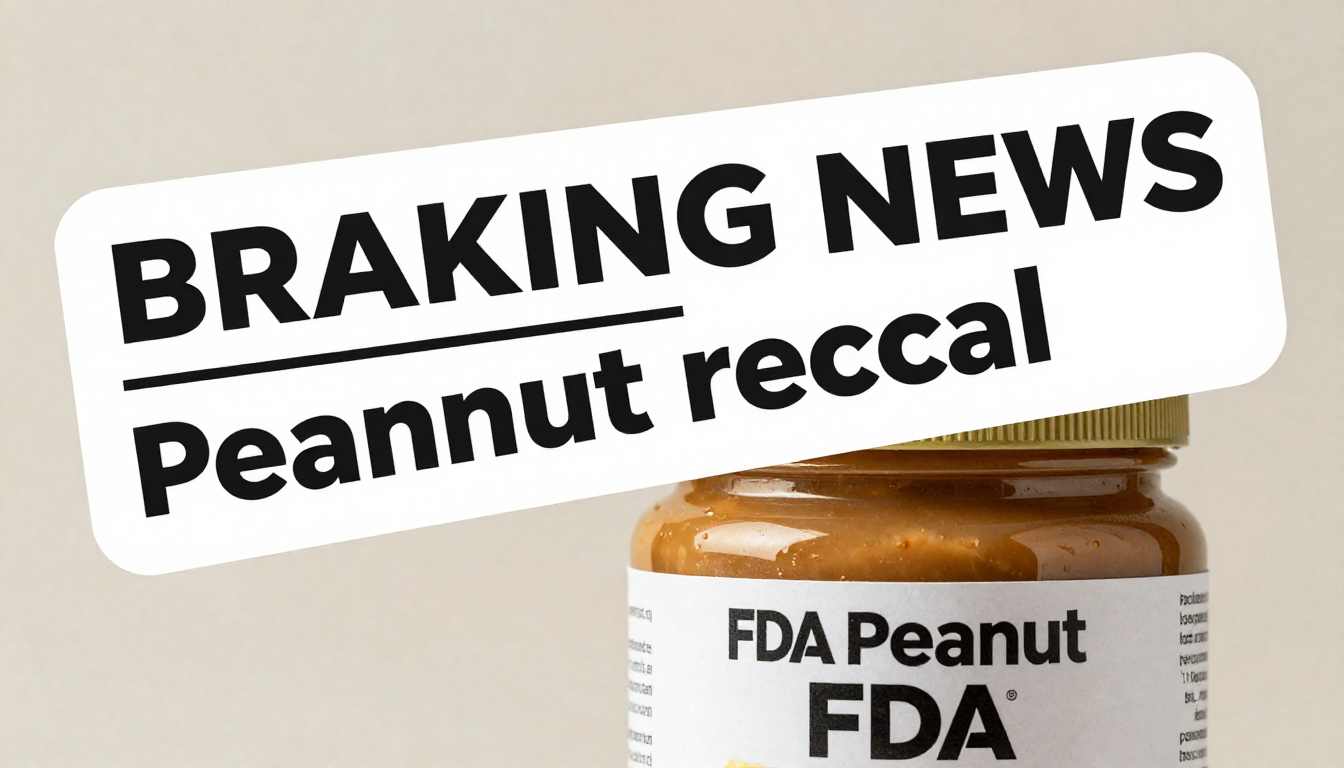
The keyword fda peanut butter recall has recently gained significant attention as consumers grow more concerned about food safety and product quality. Peanut butter is a staple in millions of households across the United States, commonly used in sandwiches, baking, snacks, and smoothies. When a recall happens, it can cause widespread worry among families, retailers, and manufacturers.
In this comprehensive guide, we’ll explore what an FDA peanut butter recall means, why it happens, how it affects consumers, and what steps you should take if you have a recalled product at home.
What Is an FDA Peanut Butter Recall?
An FDA peanut butter recall occurs when peanut butter products are removed from store shelves due to potential safety risks. The recall process is overseen by the U.S. Food and Drug Administration (FDA), the federal agency responsible for protecting public health by ensuring food safety, proper labeling, and quality standards.
Recalls may be initiated voluntarily by a manufacturer or mandated by the FDA if the product is found to pose a health risk. The purpose of a recall is to prevent consumers from getting sick or harmed by contaminated or mislabeled products.
In most cases, peanut butter recalls are announced publicly through FDA press releases, company statements, and media outlets to ensure maximum awareness.
Why Peanut Butter Gets Recalled
Peanut butter recalls usually occur due to contamination or labeling errors. One of the most common causes is Salmonella contamination. Salmonella is a type of bacteria that can cause foodborne illness, leading to symptoms such as diarrhea, fever, stomach cramps, and vomiting.
Several major recalls in the past have been linked to Salmonella outbreaks. For example, products from Peanut Corporation of America were recalled in 2009 due to widespread contamination. This recall affected thousands of products nationwide and resulted in one of the largest food recalls in U.S. history.
Another notable recall involved J.M. Smucker Company brands when certain lots were found to be potentially contaminated during manufacturing. Even well-known brands are not immune to recalls, as contamination can occur at various stages of production.
In addition to bacterial contamination, recalls may happen because of:
Undeclared allergens
Foreign objects in jars
Improper labeling
Manufacturing defects
Packaging issues
Peanut butter is especially vulnerable to contamination because it is often consumed without further cooking, meaning bacteria present in the product are not killed before consumption.
How the FDA Recall Process Works
The recall process typically begins when a manufacturer detects a problem through internal testing, consumer complaints, or reports of illness. Sometimes, state health departments or the Centers for Disease Control and Prevention identify outbreaks that trace back to a specific food product.
The recall process usually follows these steps:
Identification of the problem
Investigation and confirmation
Public announcement
Removal of affected products
Ongoing monitoring
The FDA classifies recalls into three categories based on severity:
Class I Recall
This is the most serious type. It involves a situation where there is a reasonable probability that using the product will cause serious health consequences or death.
Class II Recall
This involves products that may cause temporary or medically reversible health consequences.
Class III Recall
This is the least serious category, involving products that are unlikely to cause adverse health effects but violate labeling or manufacturing laws.
Most peanut butter recalls linked to Salmonella fall under Class I due to the potential severity of foodborne illness.
Health Risks Associated With Contaminated Peanut Butter
When peanut butter is contaminated with harmful bacteria like Salmonella, it can pose significant health risks. Symptoms of Salmonella infection typically appear within 6 to 48 hours after consumption.
Common symptoms include:
Diarrhea
Fever
Abdominal cramps
Nausea
Vomiting
Headache
While most healthy adults recover without treatment, certain groups are at higher risk for severe complications. These include:
Young children
Elderly individuals
Pregnant women
People with weakened immune systems
In severe cases, Salmonella infection can lead to hospitalization and even death. This is why prompt action during an FDA peanut butter recall is essential.
How to Check If Your Peanut Butter Is Recalled
If you hear about an FDA peanut butter recall, it’s important to verify whether your product is affected. Here’s how you can check:
Look at the brand name
Check the lot number and expiration date
Compare with the recall notice
Visit the FDA website for official announcements
Contact the manufacturer directly
Recall notices typically include detailed information such as jar size, UPC codes, lot numbers, and “best by” dates. This helps consumers determine whether their specific product is part of the recall.
If you find that your peanut butter is included in the recall, do not consume it.
What to Do If You Have Recalled Peanut Butter
If your peanut butter is part of a recall, take the following steps:
Stop using the product immediately
Dispose of it safely or return it to the store
Wash hands thoroughly after handling
Clean surfaces that may have come into contact
It is recommended to discard the product in a sealed bag to prevent accidental consumption by others. Some manufacturers offer refunds or replacements, so check the recall notice for instructions.
Additionally, monitor yourself and family members for symptoms of foodborne illness if the product has already been consumed.
Impact on Manufacturers and Retailers
An FDA peanut butter recall can have significant financial and reputational consequences for manufacturers. Companies may face:
Product loss
Legal liabilities
Regulatory fines
Loss of consumer trust
Brand damage
Retailers also bear the burden of removing products from shelves and notifying customers. In large recalls, millions of jars may be affected, leading to substantial economic losses.
However, transparent communication and swift action often help companies rebuild consumer confidence over time.
How Recalls Protect Consumers
While recalls can be alarming, they serve an important purpose. The recall system is designed to quickly remove unsafe products from the market and prevent further illnesses.
The FDA works closely with manufacturers, state agencies, and public health officials to trace the source of contamination and prevent future incidents. Improved food safety standards, routine inspections, and stricter manufacturing controls have significantly reduced the frequency of large-scale outbreaks over the years.
Consumers also play a role by reporting suspected illnesses and staying informed about recall announcements.
Preventing Foodborne Illness at Home
Even when products are not recalled, practicing proper food safety is important. To reduce the risk of illness:
Store peanut butter in a cool, dry place
Keep lids tightly sealed
Avoid cross-contamination
Wash hands before food preparation
Check expiration dates regularly
Although peanut butter has a long shelf life, it should still be handled carefully, especially in households with vulnerable individuals.
Conclusion
The topic of “fda peanut butter recall” highlights the importance of food safety and consumer awareness. While recalls can be concerning, they are a critical part of protecting public health. The oversight of the U.S. Food and Drug Administration ensures that contaminated or mislabeled peanut butter products are quickly identified and removed from circulation.
By staying informed, checking product labels carefully, and following recall instructions, consumers can minimize health risks and keep their families safe. Peanut butter remains a nutritious and popular food, and with proper safety measures in place, it can continue to be enjoyed with confidence.
Frequently Asked Questions (FAQs)
What causes an FDA peanut butter recall?
Most recalls are caused by Salmonella contamination, but they can also result from labeling errors, undeclared allergens, or manufacturing defects.
How do I know if my peanut butter has been recalled?
Check the brand, lot number, and expiration date against official FDA recall announcements. You can also contact the manufacturer for confirmation.
Is it safe to eat peanut butter during a recall?
It is safe only if your specific product is not included in the recall notice. Always verify the details before consuming.
What should I do if I ate recalled peanut butter?
Monitor for symptoms such as diarrhea, fever, and stomach cramps. If symptoms become severe or persist, seek medical attention.
Are peanut butter recalls common?
They are not extremely common, but they do occur periodically due to contamination or labeling issues. Food safety regulations aim to minimize these incidents and protect consumers.
About the Author